«کتابخانهٔ پیکرتراش ۱» — ویراستِ دوزبانهٔ گسترده | Sculptor's Library No. 1 — Expanded Bilingual Edition
Giorgio Vasari and the Lives of the Artists (1550–1568)
گردآوری و ترجمه: محمود کهنسال سارو (Mahmoud Kohansal Saro)
پیکرتراش | Sculptor — zadrock2020.blogfa.com
تاریخ انتشار: ۸ آبان ۱۴۰۵ — 30 October 2026
چکیده
کتابِ «زندگیِ برجستهترین نقاشان، پیکرتراشان و معماران» نوشتهٔ جورجو وازاری (۱۵۱۱–۱۵۷۴) — که امروز بیشتر با نامِ «زندگیِ هنرمندان» میشناسیمش — نخستین کتابِ تاریخِ هنرِ جهان و قدیمیترین مرجعِ پابرجای آموزشِ پیکرتراشی است. وازاری در این اثر، برای نخستین بار تاریخِ هنرِ ایتالیا را از چیمابوئه تا میکلآنژ، بر پایهٔ زندگینامهٔ هنرمندان و با نظریهٔ «سه سدهٔ هنر» و مفهومِ محوریِ «دیزیگنو» نوشت و اندیشهٔ «دوبارهزاییِ» هنر — رنسانس — را پایهگذاری کرد. مقالهٔ حاضر، ویراستِ گستردهٔ دوزبانهٔ «کتابخانهٔ پیکرتراش ۱» است: در بخش فارسی، شرحِ حالِ وازاری، ساختارِ کتاب و برگردانِ آزادِ چهار قطعهٔ کلیدی ارائه میشود و در بخش انگلیسی، همین پژوهش برای مراجعهٔ بینالمللی آورده شده است. منابع در پایانِ مقاله معرفی شدهاند.
کلیدواژهها: جورجو وازاری؛ زندگیِ هنرمندان؛ تاریخِ هنر؛ دیزیگنو؛ رنسانس؛ پیکرتراشی
۱. مقدمه: چرا وازاری اهمیت دارد؟
امروزه تاریخِ هنر، رشتهای دانشگاهی و پررونق است؛ اما تا سدهٔ شانزدهم، هنرمندان جایی در تاریخ نداشتند: نامِ نقاشان و مجسمهسازان گاه در اشعار، گاه در سندهای کارگاهی یا کتابهای فن میآمد، اما کسی هنر را موضوعِ یک تاریخِ منسجم نکرده بود. نخستین کسی که هنر را «دارای تاریخ» دانست و آن را از آغاز تا روزگارِ خود روایت کرد، نقاش و معمارِ ایتالیایی، جورجو وازاری بود. کتابش را با چیمابوئه آغاز کرد و با میکلآنژ به پایان برد، و در میانهٔ این راه، به هنرِ اروپا یک «تاریخ» و یک «مدرسه» بخشید.
اهمیتِ وازاری برای دانشجویانِ پیکرتراشی — و عمومِ دانشجویانِ هنر — از سه جهت است. نخست، کتابش منبعِ دستِ اولِ رنسانس است: روایتهایی زنده از کارگاهها، مسابقهها، سفارشها و فنونِ دورانی که مجسمهسازیِ اروپا دوباره شکل گرفت. دوم، چارچوبِ نظریِ او — سه سدهٔ هنر، دیزیگنو، مانیِرا — تا امروز در مباحثِ تاریخِ هنر زنده است؛ بدونِ وازاری، خودِ واژهٔ «رنسانس» بیریشه است. سوم، روشِ او درسی روششناختی دارد: زندگینامهٔ هنرمند، خودش سندی تاریخی است که باید نقادانه خوانده شود — همان درسی که امروز در هر دورهٔ «روشِ پژوهشِ هنر» تدریس میشود.
۲. زندگیِ وازاری؛ نقاش، معمار و تاریخنگار
جورجو وازاری در ۳۰ ژوئیهٔ ۱۵۱۱ در آرِتزو (توسکانی) به دنیا آمد. آموزشِ هنری را در زادگاهش آغاز کرد، سپس در فلورانس در محفلِ آندرئا دل سارتو پرورش یافت؛ در رم با آثارِ باستانی و با استادانِ بزرگِ روزگار آشنا شد و در همان سالها با میکلآنژ پیوندی گرفت که تا پایانِ عمر، او را استادِ خود میدانست.
وازاری هنرمندِ درباریِ کوزیموی یکم دِ مدیچی بود و آثارِ فراوانی از خود بهجا گذاشت: آغازِ بنای «اوفیتسی» (۱۵۶۰) که امروز یکی از مشهورترین موزههای جهان است؛ «راهروی وازاری» (۱۵۶۵) که کاخِ ویکیو را به پالازو پیتّی میرساند؛ نقاشیهای تالارِ پانصدنفرهٔ کاخِ ویکیو؛ و نقاشیهای گنبدِ کلیسای جامعِ فلورانس که پس از مرگِ او فدریکو زوکاری تکمیلشان کرد. اما مهمترین کارِ او — دستکم از نگاهِ امروزِ ما — دو کار بود: بنیانگذاریِ «آکادمیِ دیزیگنو» در فلورانس (۱۵۶۳)، نخستین آکادمیِ هنرِ اروپا؛ و نوشتنِ کتابِ «زندگیِ هنرمندان».
وازاری در ۲۷ ژوئن ۱۵۷۴ در فلورانس درگذشت؛ اما کتابش تا امروز هرگز از فهرستِ منابعِ دانشگاهها بیرون نرفته است — و به همین سبب، از او با عنوانِ «پدرِ تاریخِ هنر» یاد میکنند.
جورجو وازاری؛ نقاش، معمار و پدرِ تاریخنگاریِ هنر
۳. کتابِ «زندگیِ هنرمندان»: ساختار و نظریهٔ سه سده
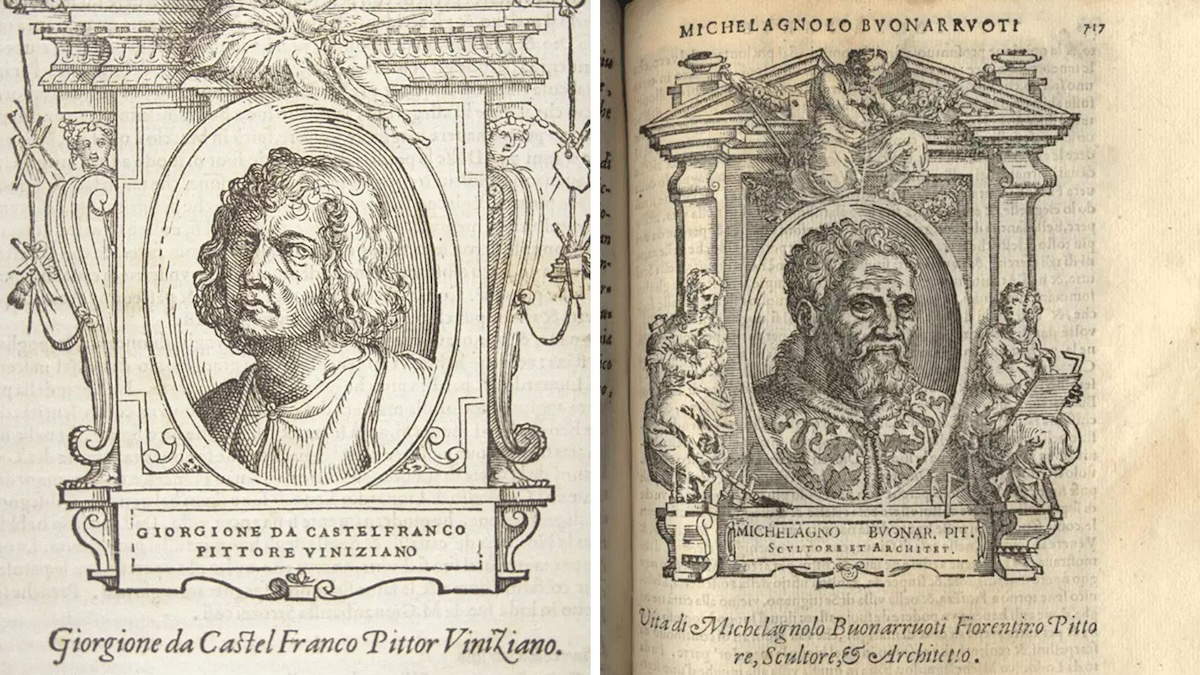
کتاب دو بار انتشار یافت. ویراستِ نخست در ۱۵۵۰ به چاپِ لورنتسو تورنتینو در فلورانس، تقدیمشده به کوزیموی یکم، با عنوانِ کاملِ «زندگیِ برجستهترین نقاشان، پیکرتراشان و معمارانِ ایتالیایی، از چیمابوئه تا روزگارِ ما». ویراستِ دوم در ۱۵۶۸ از انتشاراتِ جونتی: بزرگتر، با زندگینامههای تازه و با پرترههای چوبیِ هنرمندان. در مجموع بیش از ۱۴۰ زندگینامه در سه بخش، و پیش از هر بخش، مقدمهای فنی — از ساختِ رنگ تا ریختهگریِ برنز و سنگبری؛ همین مقدمهها برای شناختِ فنِ کارگاههای رنسانس گنجاند.
نظریهٔ مشهورِ کتاب، «سه سدهٔ هنر» است:
• سدهٔ نخست — کودکیِ هنر: چیمابوئه، جوتو، نیکولا و جووانی پیزانو، آرنولفو دی کامبیو؛ هنر پس از دورهٔ افول، دوباره راهِ مشاهدهٔ طبیعت را مییابد.
• سدهٔ دوم — جوانی: مازاچو، برونلسکی، دوناتلو، جیبرتی، لئونباتیستا آلبرتی؛ تسلط بر پرسپکتیو، آناتومی و تناسبات.
• سدهٔ سوم — کمال: لئوناردو، رافائل و میکلآنژ؛ وازاری کتاب را با زندگیِ میکلآنژ به پایان میبرد، گویی هنر در او به مقصد رسیده است.
مفهومِ محوریِ کتاب «دیزیگنو» است — طراحی و اندیشهٔ نقش — که وازاری آن را پدرِ سه هنرِ معماری، مجسمهسازی و نقاشی میداند؛ هنر با تقلید از طبیعت و پالایشِ دیزیگنو رشد میکند و از همینجا مفاهیمِ «مانیِرا» (شیوه) و «گراتسیا» (لطف) برمیخیزند.
و باید یک نکتهٔ نقادانه را هم افزود: وازاری توسکانیمحور است؛ خطاها و بزرگنماییهایی در روایتش هست و از منظرِ درباریِ مدیچیها مینویسد. پژوهشِ نوین — بوز (۱۹۷۹) و روبین (۱۹۹۵) — کتاب را همزمان «سند» و «ایدئولوژی» میداند؛ و همین، درسِ بزرگِ روششناختیِ آن است.
۴. برگردانِ آزادِ سه قطعهٔ کلیدی
ترجمهٔ آزاد از ویراستِ ۱۵۶۸: محمود کهنسال سارو
قطعهٔ نخست — از مقدمههای کتاب، دربارهٔ دیزیگنو:
«دیزیگنو — یعنی طراحی و اندیشهٔ نقش — پدرِ سه هنرِ ماست: معماری، مجسمهسازی و نقاشی. از همین اندیشهٔ یکتا، هر سه هنر زاده میشوند و هر هنرمند، به اندازهٔ توانِ خود، آن را در بن، در سنگ و در رنگ میگیرد.»
قطعهٔ دوم — از «زندگیِ جوتو»:
«جوتو، پسربچهٔ چوپان، گوسفندانِ پدر را میچرانید و هر جا فرصت مییافت، بر تختهسنگها با سنگی نوکتیز آنان را به تصویر میکشید. چیمابوئه در گذر، کارِ کودک را دید؛ شگفتزده شد، پدرش را یافت و کودک را به کارگاهِ خود برد. چنین شد که از دلِ گله و سنگ، بزرگترین نقاشِ آن روزگار برخاست.»
قطعهٔ سوم — از «زندگیِ میکلآنژ»، در واپسین صفحههای کتاب:
«وازاری میگوید باید میکلآنژ را نه در یک هنر، که در هر سه هنرِ یکبارگی ستود؛ و مرگِ او را نه مرگِ یک هنرمند، بلکه خاموشیِ نوری میداند که هر سه هنر بر آن روشن شده بودند.»
یادآوری: این برگردانها «ترجمهٔ آزاد»اند — یعنی مفهومِ متنِ وازاری در پارسی بازگفته شده، نه عینِ جملهها. متنِ ایتالیاییِ ویراستِ ۱۵۶۸ و ترجمههای معتبرِ انگلیسی (فهرستِ منابع) برای مطالعهٔ دقیقتر در دسترساند.
۵. مقدمههای فنیِ کتاب؛ حافظهٔ فنِ کارگاهِ رنسانس
نکتهای که در معرفیهای سطحیِ کتاب اغلب فراموش میشود، ارزشِ مقدمههای فنیِ آن است: در هر یک از سه بخش، وازاری پیش از زندگینامهها، گزارشی فنی از شغلِ هنر میآورد — چگونه دیوار برای فرسکو آماده میشود، رنگهای معدنی و گیاهی چگونه میساختند، برای ریختهگریِ برنز، مدلِ مومی چگونه برمیشه و به روشِ «مومِ گمشده» چه میگذرد، و در سنگبری و تراشِ مرمر، اسکنه از چه راهی به فرم میرسد. برای مجسمهسازِ امروز این متنها ارزشِ دوچندان دارد: هم سندِ فنیِ کمنظیرند و هم گزارشِ چشمِ یک هنرمندِ همعصر از درونِ کارگاه — نه از بیرون.
قطعهٔ چهارم — از مقدمهٔ فنیِ مجسمهسازی (برگردانِ آزاد: محمود کهنسال سارو):
«مجسمهسازی دو راه پیشِ پا دارد: یکی راهِ افزودن — که هنرمند با موم و گل، پیکر را میسازد و با ریختنِ برنز، آن را ماندگار میکند؛ و یکی راهِ کاستن — که هنرمند در سنگ و مرمر، با اسکنه، پیکر را از دلِ سنگ بیرون میکشد. در راهِ نخست، هنرمند میافزاید؛ در راهِ دوم، هنرمند میکاهد — و کاستن، هرگز سهلتر از افزودن نیست.»
این تفکیکِ «مجسمهسازی به روشِ افزودن» و «مجسمهسازی به روشِ کاستن» از ستونهای آغازینِ آموزشِ پیکرتراشی در مدارسِ هنر است — و نخستینبار به همین شکلِ منسجم، در همین مقدمهها صورتبندی شد.
۶. جایگاهِ کتاب در آموزشِ پیکرتراشیِ امروز
چرا کتابی که نزدیک به پنج سده از آن میگذرد، هنوز در سرِ کلاسهای تاریخِ هنرِ رنسانس خوانده میشود؟
۱) منبعِ دستِ اول است: تقریباً هر پژوهشی دربارهٔ دوناتلو، جیبرتی یا میکلآنژ به روایتِ وازاری ارجاع میدهد؛ گاه او تنها شاهدِ آن رویدادهاست.
۲) فن را روایت میکند: مقدمههای فنیِ کتاب دربارهٔ ریختهگریِ برنز، سنگبری و رنگسازی، تصویری نادر از کارگاهِ رنسانس میدهد؛ برای مجسمهسازِ امروز، «حافظهٔ فنِ» حرفه است.
۳) قصههای آموزشی دارد: روایتِ مسابقهٔ ۱۴۰۱ دروازهٔ برنزیِ تعمیدگاهِ سنتجانِ فلورانس — که صنفِ پشمیفروشان موضوعِ «قربانیشدنِ اسحاق» را اعلام کرد و هفت هنرمند، لوحِ آزمایشیِ برنزی آوردند — هنوز نمونهٔ آموزشیِ رقابتِ حرفهای و داوریِ اثر است؛ وازاری مینویسد داوران میانِ جیبرتی و برونلسکی نتوانستند قاطع باشند و سرانجام به جیبرتی رأی دادند که ریختهگری را یکتکه و لطیفتر به کار بست؛ و برونلسکیِ خشمگین، همراهِ دوناتلو، راهیِ رم شد — سفری که مقدمهٔ شاهکارهایش گشت.
۴) روشِ نقد را یاد میدهد: خواندنِ وازاری با نگاهِ نقادانه — شناختنِ تعصبِ توسکانی و مقایسه با سندهای دیگر — تمرینی کامل برای «چگونه سندِ هنری بخوانیم؟» است.
۵) ترجمههای استاندارد دارد: ویراستهای پنگوئن (ترجمهٔ جورج بول) و آکسفورد (بندانلا) متنهای درسیِ رایجاند و نسخهٔ کاملِ انگلیسیِ دو ور (۱۹۱۲–۱۹۱۵) آزاد و در دسترسِ همگان است.
۷. جمعبندی
وازاری دو چیز به ما بهجا گذاشت: یک کتاب و یک ایده. ایدهٔ اینکه هنر، تاریخ دارد؛ و تاریخِ هنر هم سند است و هم روایت، و روایت را باید شناخت، سنجید و نقد کرد. برای پیکرتراشِ امروز — و از جمله برای من که سدهها پس از او، در مشهدِ ایران، سنگ را میتراشم — وازاری یادآوری میکند که هر ضربهٔ اسکنه، پیوندی است به زنجیرهای سدهها دراز: از کارگاههای چیمابوئه و جوتو، تا برونلسکی و دوناتلو، تا میکلآنژ — و تا همین امروز.
— محمود کهنسال سارو (استاد سارو)
در ادامهٔ این کتابخانه: شمارهٔ ۲ به بنونوتو چلینی و «شبِ ریختهگریِ پرسیوس» اختصاص دارد، و شمارههای ۳ و ۴ به پلینی/لئوناردو و لانتری — همان مراجعی که دانشجویانِ پیکرتراشیِ بهترین دانشگاههای دنیا با آنها سر و کار دارند.
English Section
Abstract
Giorgio Vasari's Lives of the Most Excellent Painters, Sculptors, and Architects (1550; enlarged edition 1568) is universally regarded as the first book of art history and remains, after nearly five centuries, a standard reference in the training of sculptors and art historians. Vasari gave European art a connected narrative — from Cimabue to Michelangelo — built upon artists' biographies, his theory of the three ages of art, and the central concept of disegno. This bilingual article, compiled and rendered into Persian by Mahmoud Kohansal Saro, presents Vasari's life, the structure of the Lives, Persian renderings of four key passages, and a discussion of the book's enduring role in sculpture education. A full reference list closes the article; the Persian abstract appears above.
Keywords: Giorgio Vasari; Lives of the Artists; art history; disegno; Renaissance; sculpture
1. Introduction
Before Vasari, art had no history in the modern sense. Painters and sculptors appeared in scattered poems, workshop documents and technical manuals, but no one had yet treated art as a connected story with a beginning, a development and a destination. Vasari did exactly that: he opened his book with Cimabue and closed it with Michelangelo, giving European art both a history and, with the Accademia del Disegno, an institution.
For students of sculpture the book matters in three ways. First, it is a primary source of the Renaissance: vivid accounts of workshops, competitions, commissions and techniques from the very period in which European sculpture was reborn. Second, its theoretical framework — the three ages, disegno, maniera — still underlies art-historical discourse; without Vasari the very word "Renaissance" would lack its pedigree. Third, his method carries a lasting methodological lesson: the artist's biography is itself a historical document, to be read critically rather than swallowed whole.
2. Vasari: Painter, Architect, and the First Art Historian
Giorgio Vasari was born in Arezzo, Tuscany, on 30 July 1511. He trained in Florence in the circle of Andrea del Sarto, studied ancient monuments in Rome, and formed a lifelong relationship with Michelangelo, whom he revered as his master. As court artist to Duke Cosimo I de' Medici he left a rich body of work: the beginnings of the Uffizi (1560), today one of the world's most famous museums; the Vasari Corridor (1565) linking the Palazzo Vecchio to the Palazzo Pitti; the frescoes of the Salone dei Cinquecento; and the dome frescoes of Florence Cathedral, completed after his death by Federico Zuccari. His two most consequential acts, however, were founding the Accademia del Disegno in Florence in 1563 — the first art academy in Europe — and writing the Lives. He died in Florence on 27 June 1574, and is remembered today as "the father of art history."
3. The Lives of the Artists: Structure and the Theory of the Three Ages
The book appeared in two editions: the first in 1550, printed by Lorenzo Torrentino in Florence and dedicated to Cosimo I, under the full title Lives of the Most Excellent Italian Architects, Painters, and Sculptors, from Cimabue to Our Times; and the greatly enlarged second edition of 1568, published by the Giunti press, with additional biographies and woodcut portraits of the artists. In total the Lives contains more than 140 biographies arranged in three parts, each preceded by a technical preface — on painting, sculpture and architecture — that remains an invaluable record of Renaissance workshop practice, from pigment making to bronze casting and stone carving.
Vasari's famous theory divides the history of art into three ages: a first age of childhood — Cimabue, Giotto, Nicola and Giovanni Pisano, Arnolfo di Cambio — when art, emerging from long decline, relearned the observation of nature; a second age of youth — Masaccio, Brunelleschi, Donatello, Ghiberti, Leon Battista Alberti — marked by mastery of perspective, anatomy and proportion; and a third age of perfection — Leonardo, Raphael and Michelangelo — with which the book culminates. The unifying concept is disegno, the design or drawing that Vasari calls the father of the three arts: architecture, sculpture and painting grow through the imitation of nature and the refinement of disegno, whence also derive his notions of maniera (manner) and grazia (grace).
A critical note is indispensable. Vasari writes with a Tuscan bias, commits errors and exaggerations, and narrates from the vantage of the Medici court. Modern scholarship — T. S. R. Boase (1979) and Patricia Lee Rubin (1995) — reads the Lives at once as a document and as an ideology; that double reading is precisely the book's great methodological lesson.
Among the most under-appreciated parts of the Lives are its technical prefaces. Before the biographies of each part, Vasari gives a working survey of the crafts: how walls are prepared for fresco, how mineral and plant pigments were made, how a wax model is built up and cast in bronze by the lost-wax method, and how the chisel reaches its form in stone and marble. His fundamental distinction between sculpture "by addition" (modeling in wax and clay, cast in bronze) and sculpture "by removal" (carving stone and marble) is among the earliest coherent formulations of what sculpture is — and remains a first lesson in every sculpture school.
4. The Lives in Today's Sculpture Education
Why is a book of nearly five centuries of age still read in Renaissance art-history courses? First, it is the primary source: almost every study of Donatello, Ghiberti or Michelangelo returns to Vasari's accounts, of which he is sometimes the only witness. Second, its technical prefaces preserve the memory of the craft — bronze casting, stone carving, pigment making — a workshop memory of direct interest to the working sculptor. Third, it offers teaching stories, above all Vasari's narration of the 1401 competition for the Florence baptistery doors between Ghiberti and Brunelleschi, still used as a case study in professional competition and judgment. Fourth, it trains source criticism: reading Vasari against other documents, aware of his Tuscan partisanship, is a complete exercise in how to read an art-historical source. Fifth, it exists in standard translations — George Bull's Penguin volumes and the Bondanellas' Oxford edition are common classroom texts, and the complete English translation by Gaston du C. de Vere (1912–1915) is in the public domain.
5. Conclusion
Vasari left us a book and an idea: that art has a history — a history that is at once document and narrative, to be known, weighed and criticized. For a sculptor working today — the present author among them, carving stone in Mashhad, Iran, five centuries later — every stroke of the chisel joins a chain that stretches from the workshops of Cimabue and Giotto through Brunelleschi and Donatello to Michelangelo, and onward to the present day.
Also in this library: No. 2 on Benvenuto Cellini and the casting night of the Perseus; Nos. 3–4 on Pliny/Leonardo and Lanteri — reference works familiar to sculpture students at the world's leading universities.
References / منابع
- Vasari, Giorgio. Le vite de' più eccellenti architetti, pittori, et scultori italiani, da Cimabue insino a' tempi nostri. Florence: Lorenzo Torrentino, 1550. [First edition]
- Vasari, Giorgio. Le vite de' più eccellenti pittori, scultori, ed architettori. Florence: Giunti, 1568. [Enlarged second edition]
- Vasari, Giorgio. The Lives of the Artists. Translated by Julia Conaway Bondanella and Peter Bondanella. Oxford: Oxford University Press (Oxford World's Classics), 1991.
- Vasari, Giorgio. The Lives of the Artists, Volume I. Translated by George Bull. London: Penguin Classics, 1987.
- de Vere, Gaston du C., trans. Lives of the Most Eminent Painters, Sculptors and Architects. London: Medici Society, 1912–1915. [Complete English translation of the 1568 edition; public domain, available on Archive.org]
- Boase, T. S. R. Giorgio Vasari: The Man and the Book. Princeton: Princeton University Press, 1979.
- Rubin, Patricia Lee. Giorgio Vasari: Art and History. New Haven: Yale University Press, 1995.
- Encyclopædia Britannica, entry "Giorgio Vasari" (online).
- Smarthistory (open access), essays on Giorgio Vasari and Renaissance Florence. smarthistory.org
دربارهٔ نویسنده | About the author
محمود کهنسال سارو — مجسمهساز و سنگتراش | Mahmoud Kohansal Saro — Sculptor
سایت: sarorobat.github.io | اینستاگرام: @saro_sculpture | کانال یوتیوب: اساطیر ایران کهنسال
شیوهٔ استناد: کهنسال سارو، محمود. «وازاری؛ کتابی که تاریخِ هنر را آغاز کرد». کتابخانهٔ پیکرتراش ۱ — ویراستِ دوزبانهٔ گسترده، ۸ آبان ۱۴۰۵. zadrock2020.blogfa.com/post/11